
The Antidepressant Panic Is Back
What happened in the early 2000s, what RFK Jr. is reviving now, and why it matters

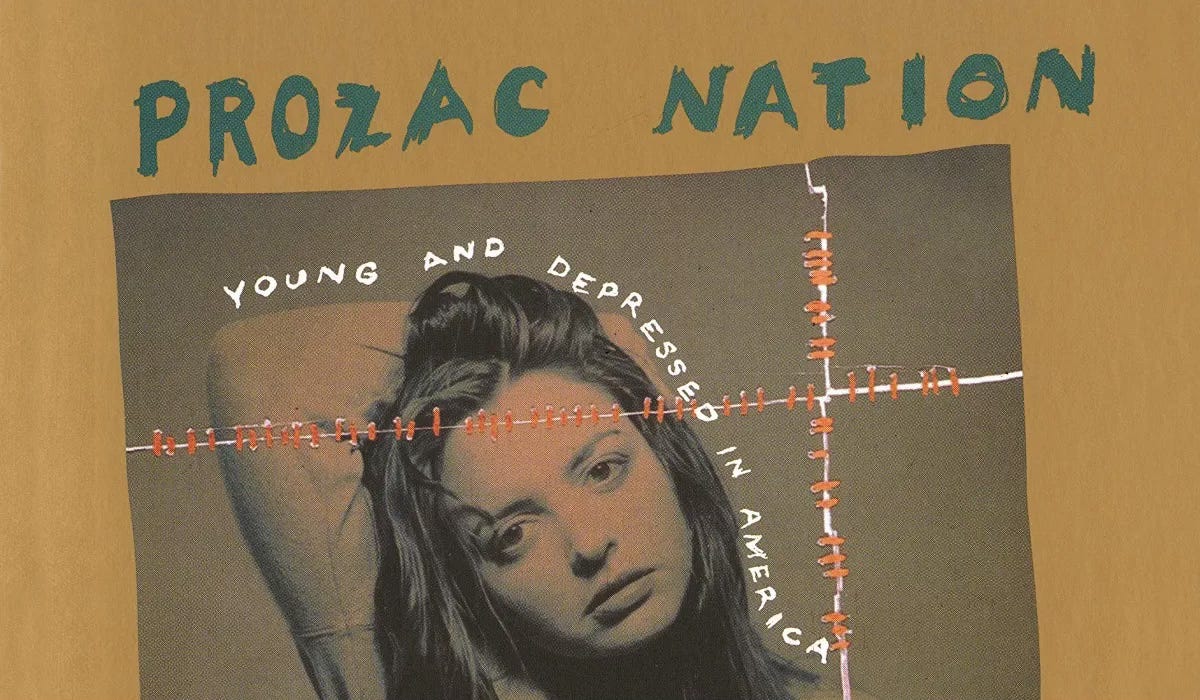
As a teenager in the early 2000s, I watched the “antidepressant panic” sweep across the country— sensational headlines turning into the background noise of everyday life.
Antidepressants left the realm of science and entered the kitchen table, morphing into whispered concern among parents with depressed children.
Doctors became suspicious, and prescriptions for young people dropped sharply.
As a result, major analyses documented harmful outcomes, including increases in suicide-attempt proxies (like psychotropic poisonings) and suicide deaths among young people.
This episode in history was a lesson in how public fear and stigma change care and have real, negative effects. And now, it’s being repeated again.
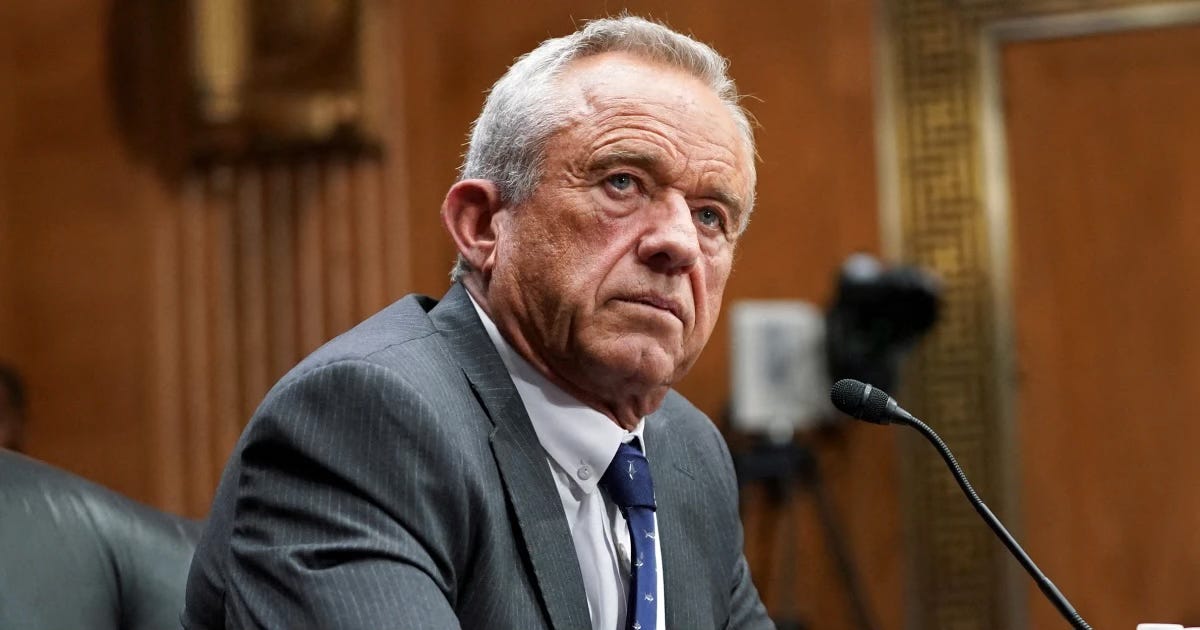
Over the past year, Robert F. Kennedy Jr. has repeatedly attacked antidepressants, especially SSRIs, using rhetoric that frames them as uniquely dangerous, addictive, and harmful.
He’s revived the old, debunked myth that antidepressants are tied to mass violence, including school and church shootings, even as independent fact-checking and experts emphasize there is no direct evidence that SSRI use causes mass shootings or explains why they happen.
He has also claimed SSRIs are addictive and “harder to quit than heroin,” which is completely false. In fact, research shows that SSRIs do not cause addiction.
Much of Kennedy’s messaging focuses on children and adolescents, repeatedly framing psychiatric medications as broadly overprescribed and inherently dangerous.
That said, the problem isn’t that we can’t discuss pediatric prescribing — we absolutely should. But RFK Jr. isn’t trying to have a discussion. He is treating SSRIs like a cultural contaminant instead of a medical tool, therefore turning clinical risk-benefit decisions into a completely unnecessary and potentially dangerous panic.
Additionally, Kennedy has publicly described launching or directing federal interest in studying whether SSRIs and other psychiatric drugs “might be contributing to violence”, specifically school shootings, pointing to black box warnings and implying homicidal risk, even though experts have pushed back on these claims.
When fear-based narratives are elevated to the posture of federal inquiry, they gain legitimacy regardless of scientific merit. That legitimacy shapes public perception, clinical practice, and access to care — especially for disabled people, whose treatments have always been politically vulnerable.
Depression and anxiety are disabilities under federal law. For many people — including children — access to psychiatric care and medication determines whether they can attend school, work, maintain relationships, or stay alive.
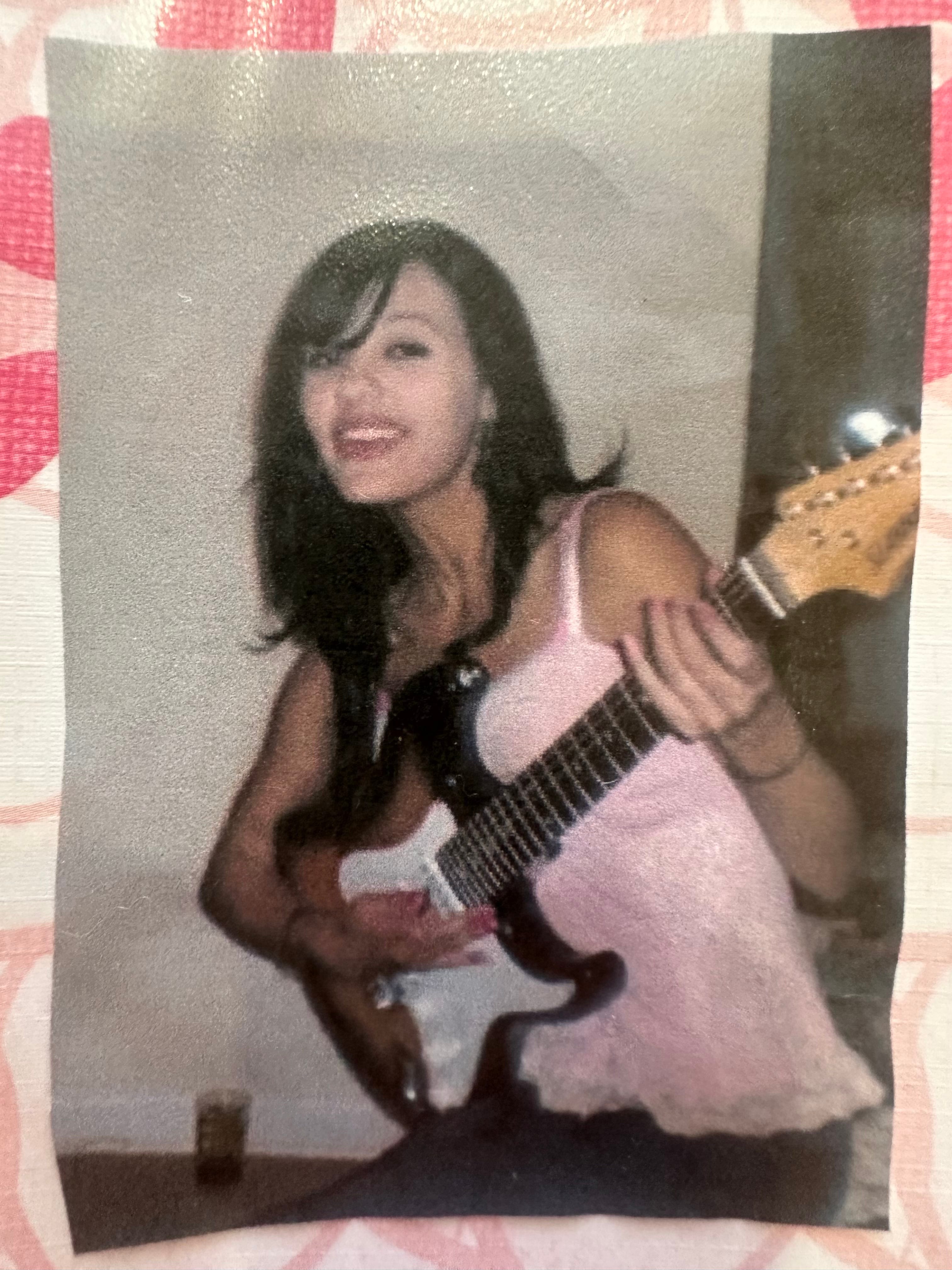
I was a teenager during the early 2000s, following the FDA black-box warnings on antidepressants. I was on Prozac for depression and anxiety driven by undiagnosed autism, and the stigma was immediate and pervasive.
The medication itself was treated as suspicious, as though the biggest risk lay in the treatment rather than in the untreated symptoms that were clearly dangerous to me.
Looking back, what I experienced was not just stigma, but also an early lesson in how easily disabled people are asked to carry the dangerous consequences of public fear.
That history is exactly why the current moment demands accountability.
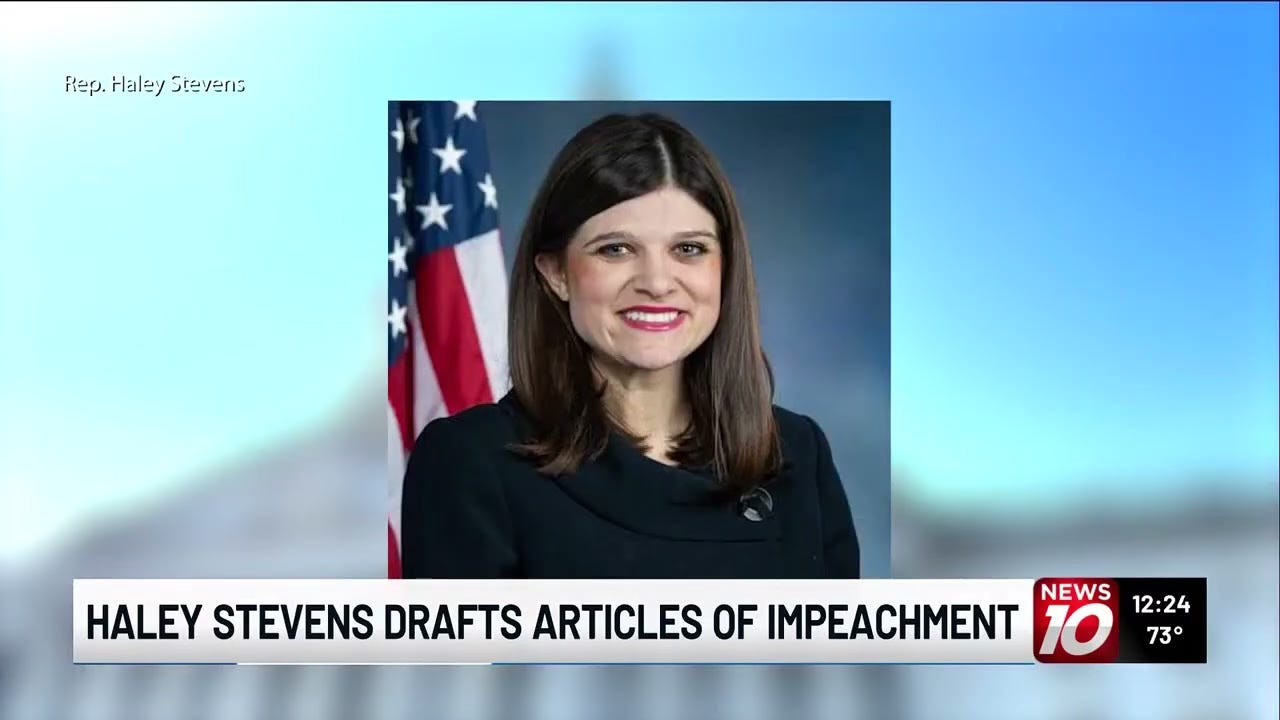
On December 10, 2025, Rep. Haley Stevens introduced articles of impeachment against Robert F. Kennedy Jr., citing his abandonment of evidence-based public health and his failure to uphold the responsibilities of the office he holds.
Stand Up For Science has supported and amplified this action, arguing that when misinformation is elevated into federal health policy and research directives, it causes material harm — especially to children, disabled people, and anyone who relies on evidence-based medical care to survive.
If you believe medical decisions should be based on proven scientific research, get involved, and let’s impeach and remove RFK Jr.
this drives me so nuts! it feels so cruel that stigma often means we isolate the vulnerable exactly when they need community most. ugh.